
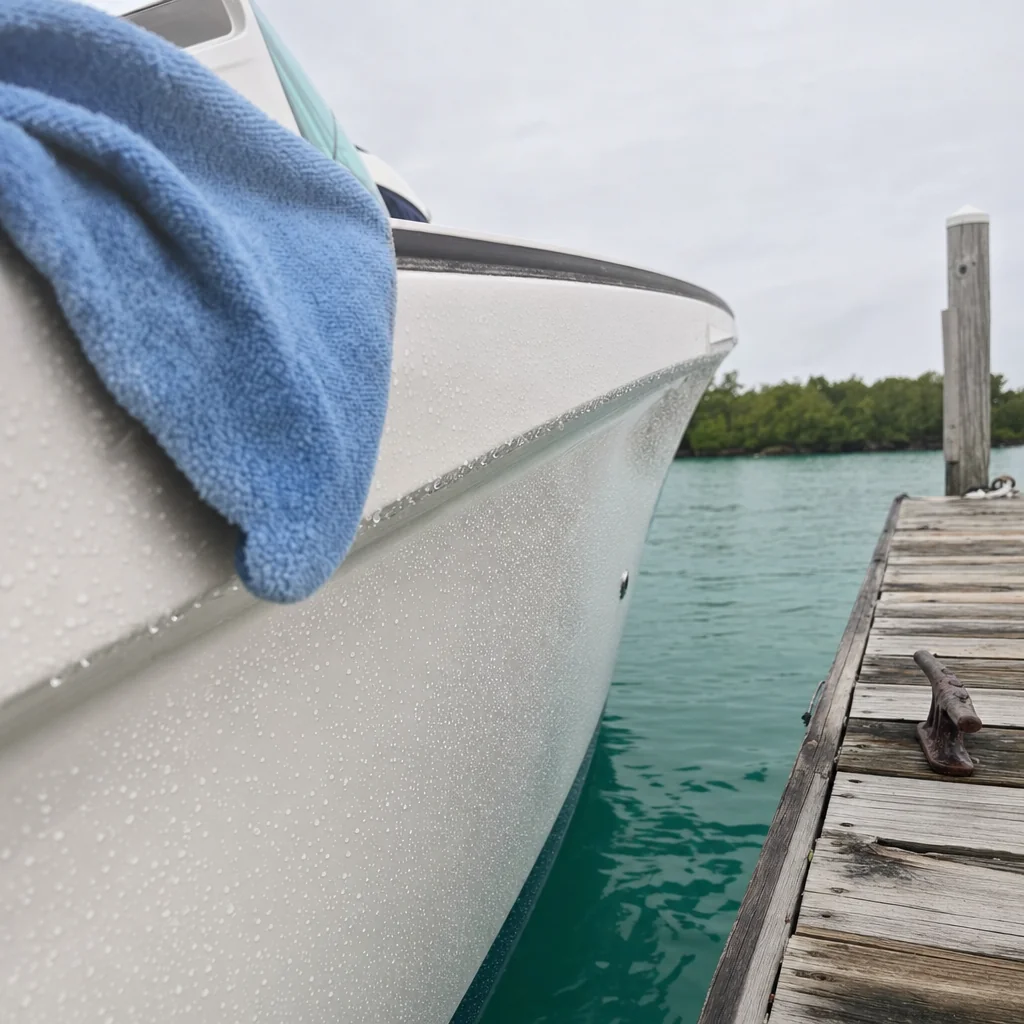
Hull Repair Key West, FL
Hull repair in Key West means fast, professional work that gets your boat back on the water without hauling it to a distant yard. Whether you're dealing with a stress crack from a hard landing, osmotic blistering from years in warm saltwater, or collision damage to the keel area, a mobile technician can assess and fix most hull problems right at your dock or marina slip. Getting the repair done quickly matters here — salt exposure and UV intensity in the Florida Keys accelerate deterioration the moment a hull breach is left open. Learn more about Fiberglass Repair.
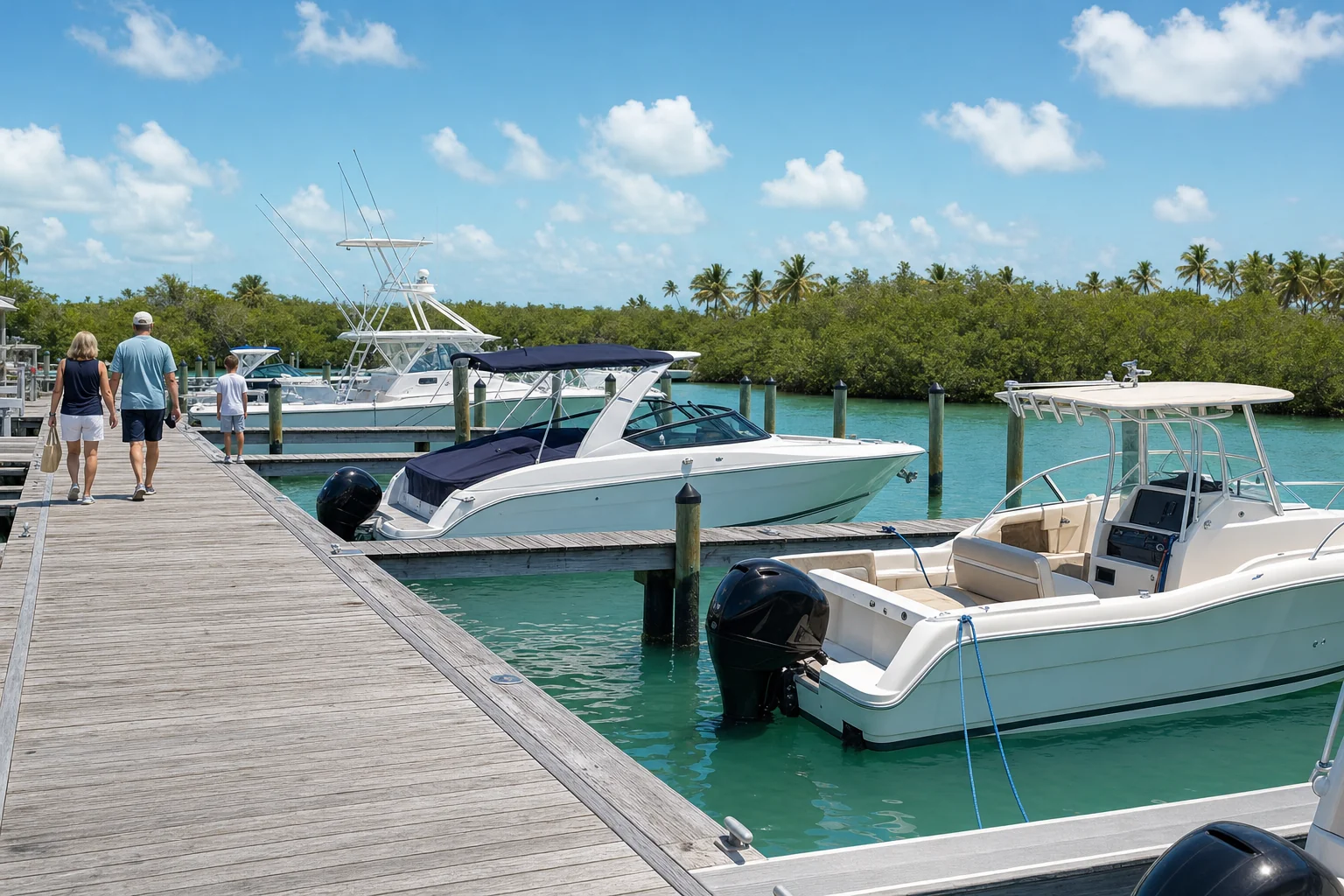
What Hull Damage Looks Like in the Florida Keys
The combination of shallow reef passages, heavy boat traffic, and year-round sun creates a specific pattern of hull damage that Key West boaters see more than most. Gelcoat crazing and stress cracks appear around the bow and keel after repeated contact with sandy flats or dock pilings. Osmotic blisters form below the waterline when water migrates through the gelcoat into the laminate, and in warm water they grow faster than they would in northern climates. Impact damage from lobster trap lines, crab pots, or a rough haul-out can leave gouges that expose raw fiberglass and invite moisture intrusion if left unaddressed.
How a Mobile Hull Repair Is Completed
A mobile hull repair starts with a thorough inspection, including a tap test along the hull to locate delaminated areas that may not be visible on the surface. The technician will also check the waterline for blistering and probe any cracks to determine whether they are cosmetic gelcoat fractures or structural breaks that have reached the fiberglass laminate beneath. This assessment shapes the repair plan and gives you an honest estimate before any grinding begins.
Once the scope is clear, damaged material is ground back to sound fiberglass, the area is dried if moisture is present, and layers of marine-grade fiberglass cloth and epoxy or polyester resin are built up to restore the original thickness. After the laminate cures, gelcoat is applied, faired smooth, and color-matched as closely as possible to the surrounding hull. The finished surface is wet-sanded and buffed so the repair blends with the existing finish.
- Tap test and moisture meter reading to map hidden delamination
- Grinding to clean, dry, structurally sound fiberglass
- Layered laminate buildup with marine-grade cloth and resin
- Gelcoat application, color matching, and fairing
- Wet-sand and buff to blend the repair with the surrounding hull
Common Hull Problems We Fix
Most hull damage falls into one of these categories, and each requires a slightly different repair approach.
Stress Cracks:
Hairline fractures that radiate from a point of impact or flex stress. Left alone they allow water into the laminate, so they are opened, cleaned, and filled before gelcoat is applied.
Osmotic Blisters:
Fluid-filled pockets below the waterline caused by water migrating through the gelcoat. Blisters are opened, the hull is dried, and a barrier coat is applied after the laminate is repaired.
Impact Gouges:
Deep scrapes or holes from collisions with pilings, rocks, or submerged objects. These require laminate buildup to restore structural integrity before the surface is refinished.
Keel Damage:
Grounding on the flats or reef can crack or compress the keel area. Repairs here are critical because the keel-to-hull joint bears significant load underway.
Delamination:
Separation between fiberglass layers, often caused by prolonged moisture exposure. Affected sections are removed and rebuilt so the hull regains its original stiffness and strength.

Why Mobile Service Makes Sense in Key West
Trailering a boat to a boatyard in the Keys is often impractical — ramp access is limited, haul-out schedules fill quickly during season, and the cost of blocking and storage adds up fast. A mobile technician comes to your slip at a marina like Garrison Bight, Stock Island, or Oceanside, works around your schedule, and eliminates the logistics of getting the boat out of the water for anything that can be addressed afloat or on a trailer. For fiberglass hull repairs that do not require a full haul-out, mobile service is almost always faster and less expensive than the boatyard alternative. Learn more about the full range of services available on our fiberglass boat repair page.
Related Guides
Previous: gelcoat repair | Next: transom repair
Frequently Asked Questions
Can hull repairs be done while the boat is in the water?
Many repairs above the waterline, including stress cracks, impact gouges, and gelcoat damage, can be completed while the boat is docked. Work below the waterline typically requires the boat to be hauled or placed on a trailer so the area can be properly dried, ground, and refinished. Your technician will tell you upfront whether a haul-out is necessary.
How long does a typical hull repair take?
A straightforward gelcoat crack or small impact gouge can often be completed in a single visit of two to four hours. Larger repairs involving laminate rebuilding, blister remediation, or delamination may require multiple sessions to allow resin and gelcoat to cure fully between coats. Your technician will give you a realistic timeline after the initial inspection.
Will the repaired area match the rest of my hull?
Gelcoat color matching is part of every repair, and on most production boats a very close match is achievable. Older hulls that have faded from sun exposure may show some variation because the surrounding gelcoat has changed color over time. Polishing the entire hull after the repair is the best way to minimize any visible difference.
How do I know if my hull has osmotic blisters?
Blisters typically appear as rounded bumps below the waterline that feel soft or fluid-filled when pressed. A moisture meter reading during inspection will confirm whether water has penetrated the laminate even in areas where blisters are not yet visible on the surface. Catching blistering early reduces the extent of the repair needed.
Is fiberglass hull repair covered by boat insurance?
Damage from a collision, grounding, or storm event is generally covered under a comprehensive marine policy, subject to your deductible. Osmotic blistering and general wear are usually considered maintenance issues and are not covered. Contact your insurer before the repair begins and ask your technician for a written estimate and photos to support your claim.
How soon can I use the boat after a hull repair?
Light use above the waterline repairs is often possible within 24 to 48 hours once the gelcoat has cured. Repairs below the waterline that involve barrier coating need additional cure time before the boat goes back in the water, typically 48 to 72 hours depending on temperature and humidity. Your technician will give you a specific wait time based on the products used.